

 We use hazardous materials every day. Gasoline, diesel, batteries, computers and smart phones, fluorescent lights, bleach, paint, and other items daily. Rarely do we think about the fact that they are hazardous materials. You swipe the card at the pump, fill the tank up, put the nozzle back on the pump, and go about your day, but what happens when you need to dispose of a half full fuel can of bad fuel? What was a hazardous material now becomes hazardous waste that requires proper disposal. Many hazardous materials can be recycled if properly managed, preventing them from becoming a hazardous waste and avoiding costly disposal fees. For residential Household Hazardous Waste (HHW) many municipalities have programs available for typical household HHW disposal.
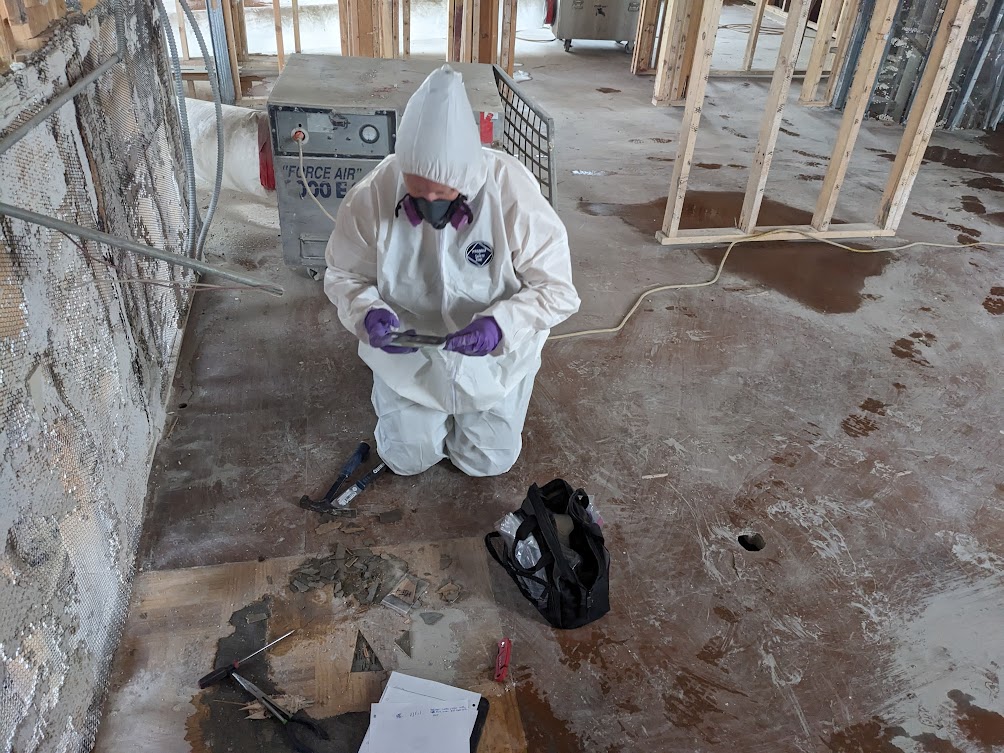 For businesses, permitting, inspections, and licensed disposal are often required for managing generated waste. Proper handling and disposal of hazardous waste is important to preserving water quality, human health and safety, and avoiding costly fines and remediation efforts. A 55-gallon drum of used oil can be a resource if properly recycled, while characterization, remediation, and disposal efforts can take weeks and often tens of thousands of dollars to dispose of. The environmental professionals at GES can assist you in planning how to reduce generated hazardous wastes, manage generated wastes, and respond to releases of hazardous wastes.