

Did your building have a leak or flooding? If so, there is a chance mold has taken residence inside your drywall, ceiling tiles, or other porous building material.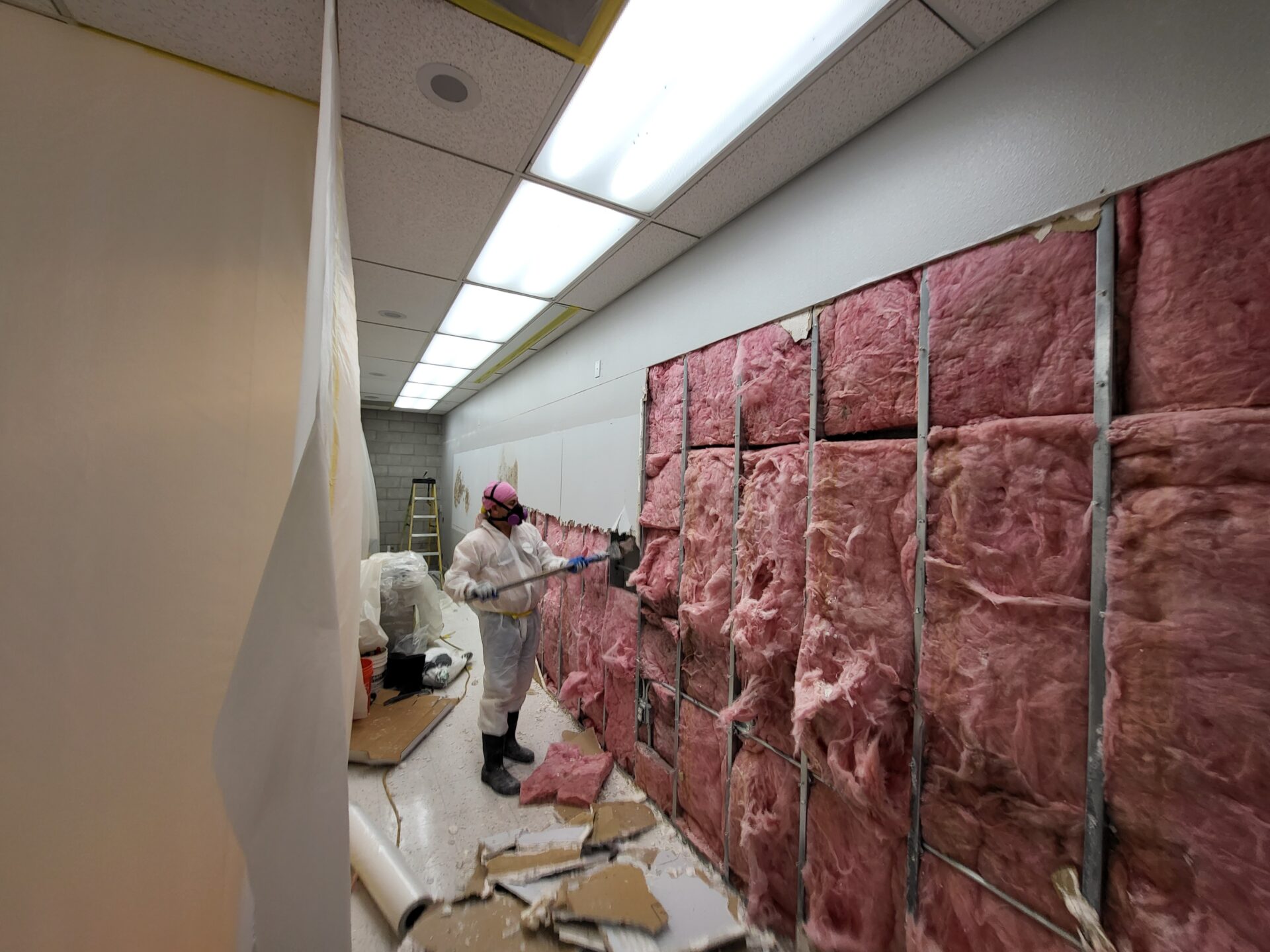
Is this a problem? Well, it can be. If mold growth is prominent inside a room or building, i.e. all the walls are covered in it, a healthy person can develop an allergy or breathing problem if exposed for long periods of time.
Two of the more harmful mold species are Aspergillus/Penicillium aka Green Mold, and the dreaded Stachybotrys, more commonly known as Black Mold.
Mold identification is typically performed through a visual assessment by a trained professional, who may collect bulk samples (i.e., portions of the affected building materials) and/or take air samples within the space to determine whether mold spores are present in the air. The samples are then tested to identify the type of mold species growing. At GES, we typically prefer the air sampling method as it is nondestructive and is representative of the breathing space in a room.
If mold is detected and identified, the remediation process is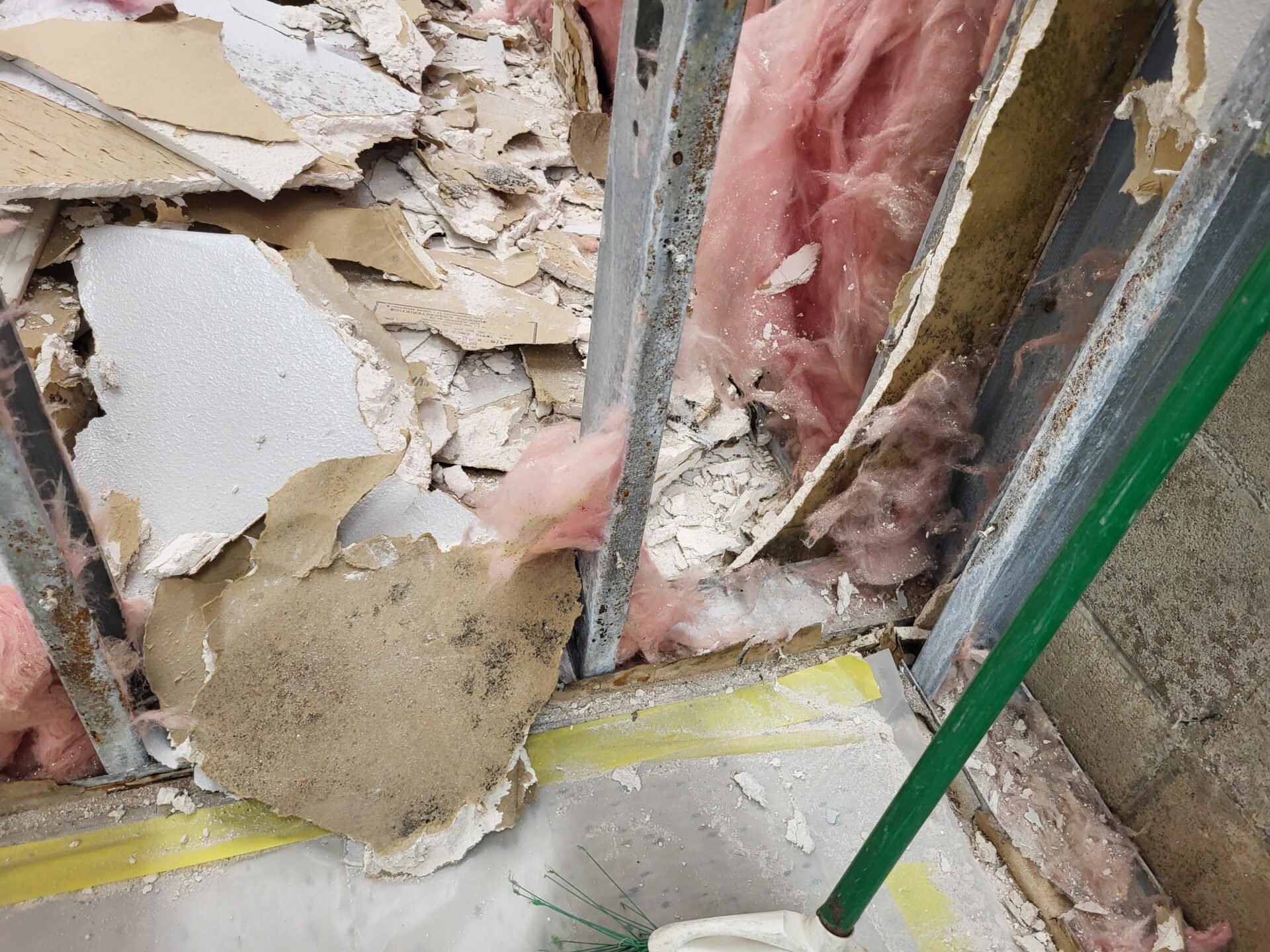 similar in approach to asbestos abatement, with the affected area sealed off to prevent the spread of mold spores during cleanup. However, unlike asbestos, mold remediation is not regulated by the EPA or other air quality agencies. Once identified, contaminated materials are removed until no visible signs of mold remain in the affected areas. GES can provide remediation oversight to ensure your space is ready for inhabitants again.
While mold may not be as heavily regulated as other environmental hazards, it can still pose serious health and structural risks if left unaddressed. Early identification and proper remediation are key to maintaining a safe and healthy indoor environment. Let GES be your partner in keeping your buildings safe.