

This is a fictional short story with real world implications.
Jeanne has two young kids who she loves with all her heart. Their bikes have reflectors and they wear helmets. They are well versed in the danger of strangers. She believes she has left no stone unturned when it comes to the safety of her most prized treasures.
 If she only knew the hidden dangers associated with the shiny, new store coming to their community.
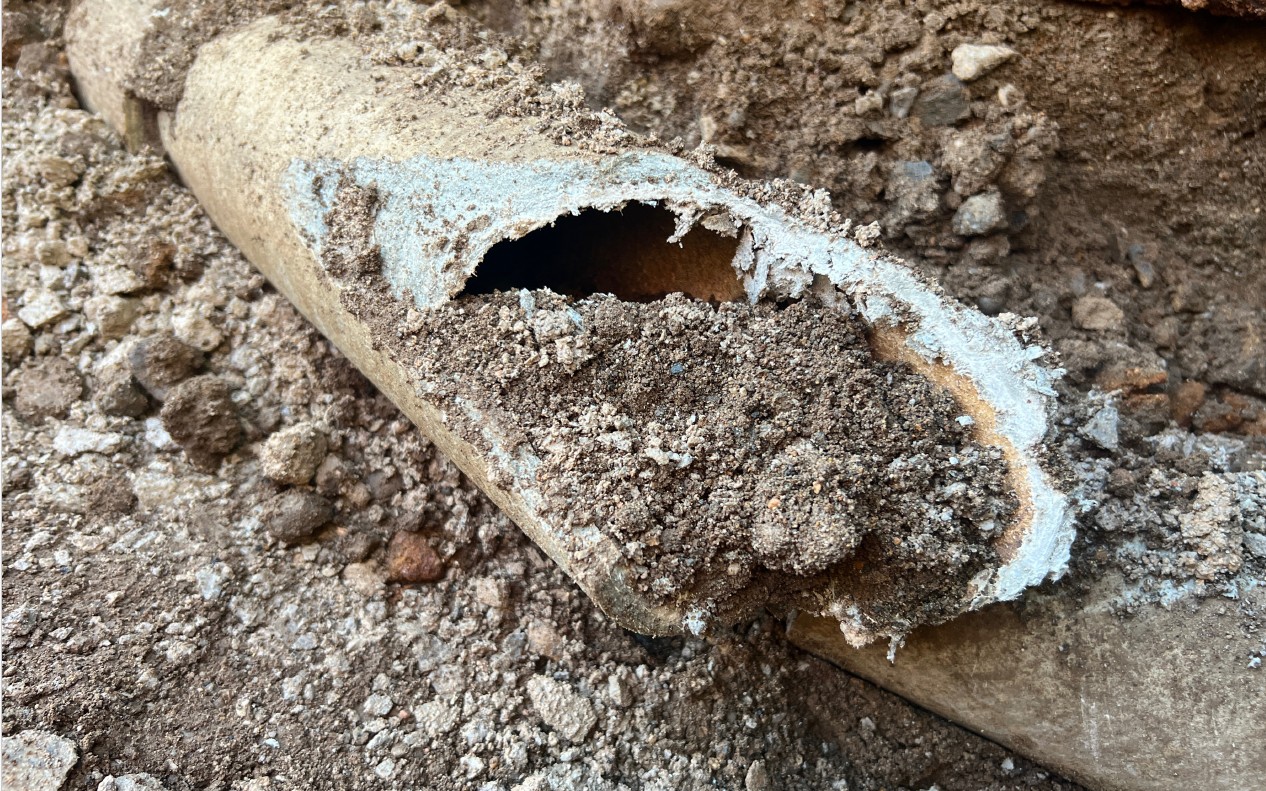
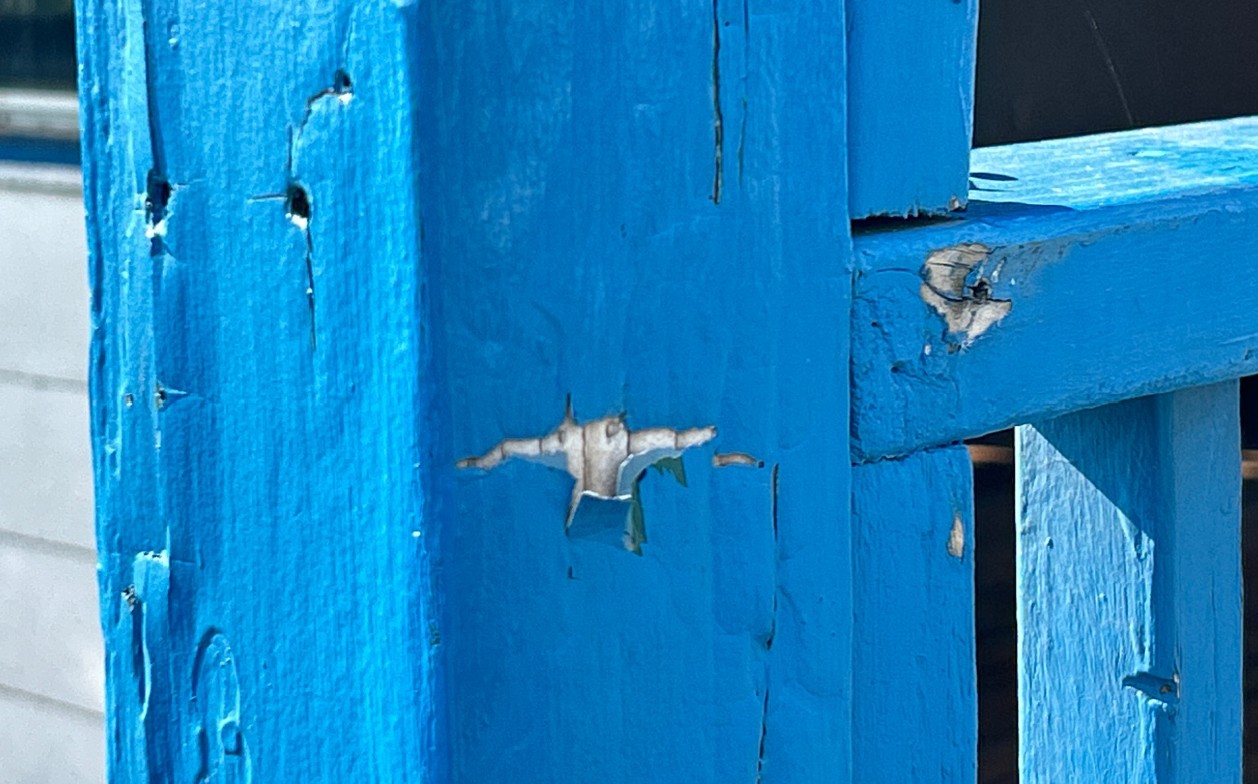
The new grocery store is taking the place of an eyesore of a building that is being demolished. The old building is riddled with asbestos, lead paint, and other hazardous building materials. And lurking beneath the old building shell is a heating oil tank from the 1970’s. All of these items can pose huge risks for Jeanne’s children.
If not remediated correctly, the asbestos particles and lead paint chips can find their way to where Jeanne’s children live and play. And if that tank is leaking, it can percolate down to the groundwater, affecting the water supply for miles. In each of these cases, the health impact of these hazardous materials can be significant, but could remain undetected for years.
 The store developer might not be aware of the risks his development poses. He thinks he is simply ripping down a community blite and replacing it with something the neighborhood can be proud of.
This is a story playing out across the country on a regular basis. Lead based paint, asbestos containing building materials (ACBM), and old underground storage tanks are seemingly everywhere, and they all have the potential to release cancer causing substances into the air, ground, or water of the surrounding community. Developers and contractors don’t always know what they are dealing with and if they push forward without adequate environmental consideration, they could be risking the health of their employees and the community.
However, the answer can be simple. And the cost of that answer can be extremely inexpensive in comparison to the plethora of alternative consequences.
Call GES!
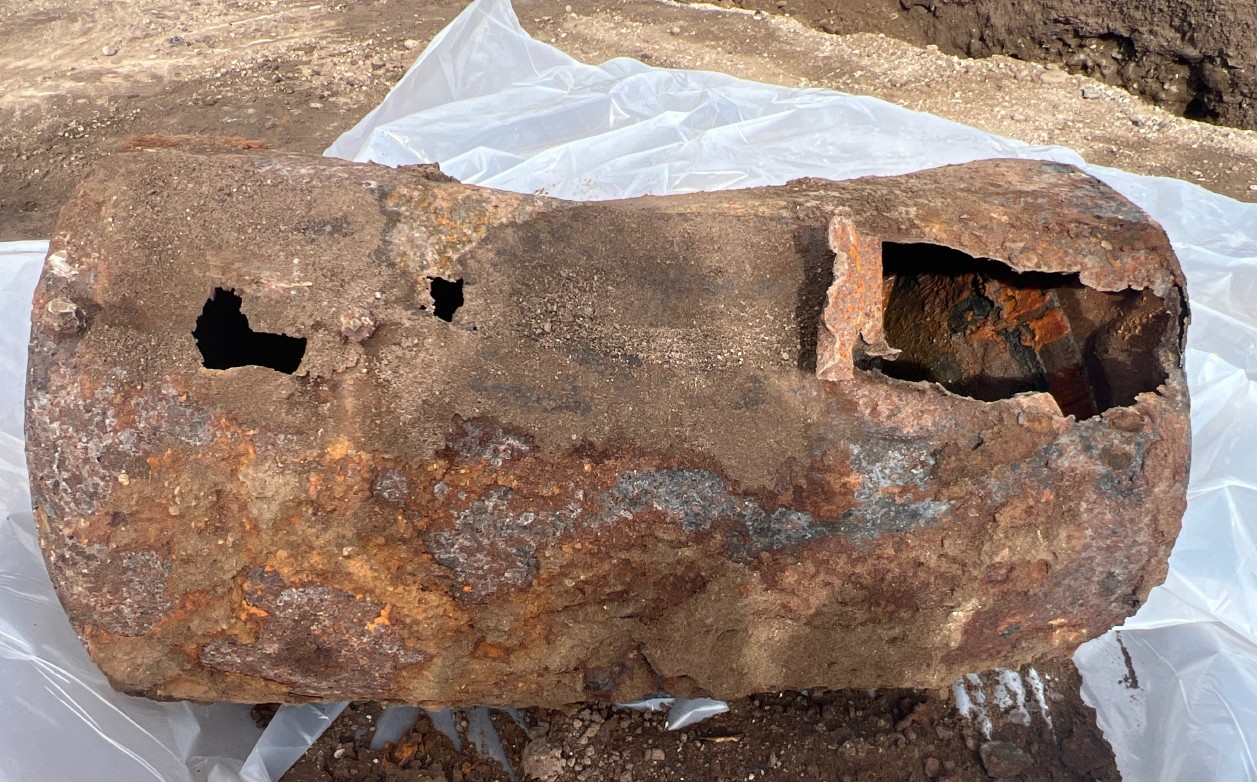 GES has the educated, certified, and experienced staff necessary to help guide a developer through the potential dangers of redevelopment. If your property was built prior to 1978, it likely has ACBM in the form of pipes, flooring and/or drywall systems, or even the asphalt roof. GES can conduct a survey of the property and then make Hazardous Building Materials Abatement recommendations. If the developer knows of, or discovers, an underground storage tank, GES can analyze the situation and consult on possible actions and their outcomes.
Being thorough at the beginning of a redevelopment project can help you make the future safe for everyone. If you think there is even a slight chance of a potential hazard, call GES before it becomes a problem.