

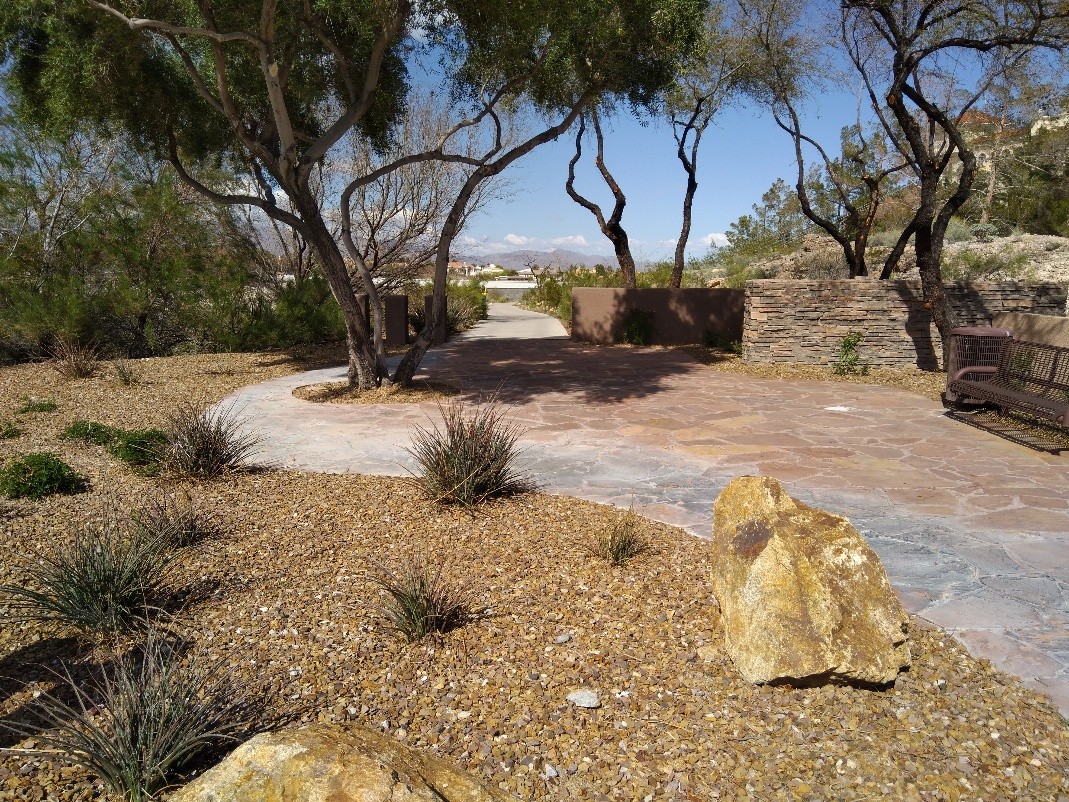
Nevada and Utah’s parks and trail systems are integral to the character and vitality of both states, providing access to diverse landscapes that include mountain ranges, deserts, forests, and red rock canyons. These public spaces promote outdoor recreation, conserve valuable natural resources, and foster environmental stewardship. They also strengthen communities by supporting public health, encouraging active lifestyle, attracting tourism, and contributing to the economic and cultural well-being of the region.
Trails provide vital connections between communities, recreational areas, and natural landscapes, requiring careful planning and engineering to ensure they are safe, durable, accessible, and environmentally responsible. GES is committed to supporting the development and enhancement of these valuable recreational connections through comprehensive site investigations, geotechnical evaluations, and practical engineering solutions, including but not limited to evaluating subsurface conditions, assessing slope stability, investigating soil and rock characteristics, and developing practical foundation and earthwork recommendations. By working closely with public agencies, landscape architects, and design teams, we help identify site constraints, mitigate geologic hazards, and develop recommendations that promote long-lasting trail performance while minimizing environmental impacts.
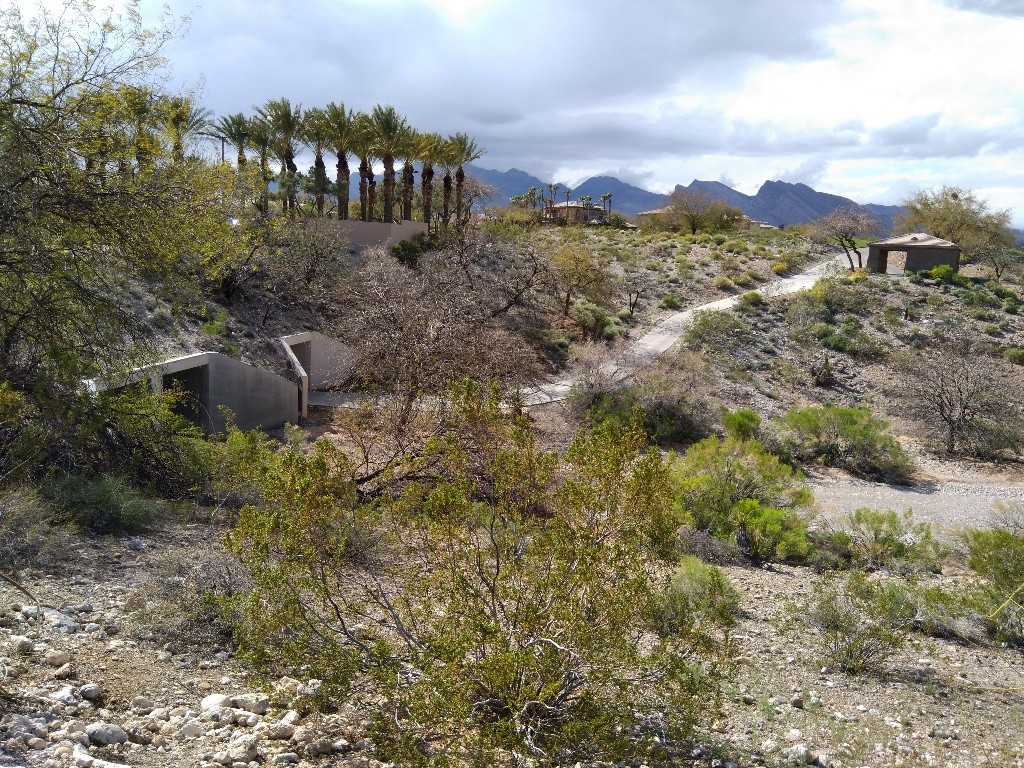 Some notable GES trail projects include the Bonanza Trail Extension, Summerlin & CC-215 trail, Boulder City Trail, Kiley Parkway Trail Replacement, Silver Bowl Park Walking Trail, Wetlands Park Loop Trail, Wittwer Trail, and the Lake Mead Parkway Trail. These projects have enhanced recreational access, improved connectivity between neighborhoods and public lands, and promoted healthier, more active lifestyles for residents and visitors. For example, the Bonanza Trail Extension included the design and construction of an asphalt trail approximately 11,000 feet in length and a multi-span pedestrian bridge crossing over the wash to the trail. The Wetlands Park Loop Trail included the design and construction of 5-mile-long trails and two pedestrian bridges, and these developments were made with consideration to the numerous important cultural resources within the park. The Wetlands development specifically helped to preserve and elevate historic resources for public enjoyment while still maintaining the surrounding environment. We are also currently helping to develop the Biggest Little Bike Network in Reno, Nevada, which will provide infrastructure improvements to four Downtown Reno corridors to support safe, comfortable, and scenic trips by bicycle, e-bikes, and e-scooters.
By helping deliver resilient trail systems that withstand the region’s unique soil and environmental conditions, our work contributes to long-term public safety, protects natural resources, and supports local economies through increased tourism and outdoor recreation opportunities. We look forward to continuing to contribute to the expansion of Nevada and Utah’s trail network, helping create resilient, well-designed pathways that future generations can enjoy for years to come!